Rafael Peters · 4 October 2026
Data Reviews, Exchange Renewals, and Enrollment Dynamics Converge in Poland's Environmental Programs
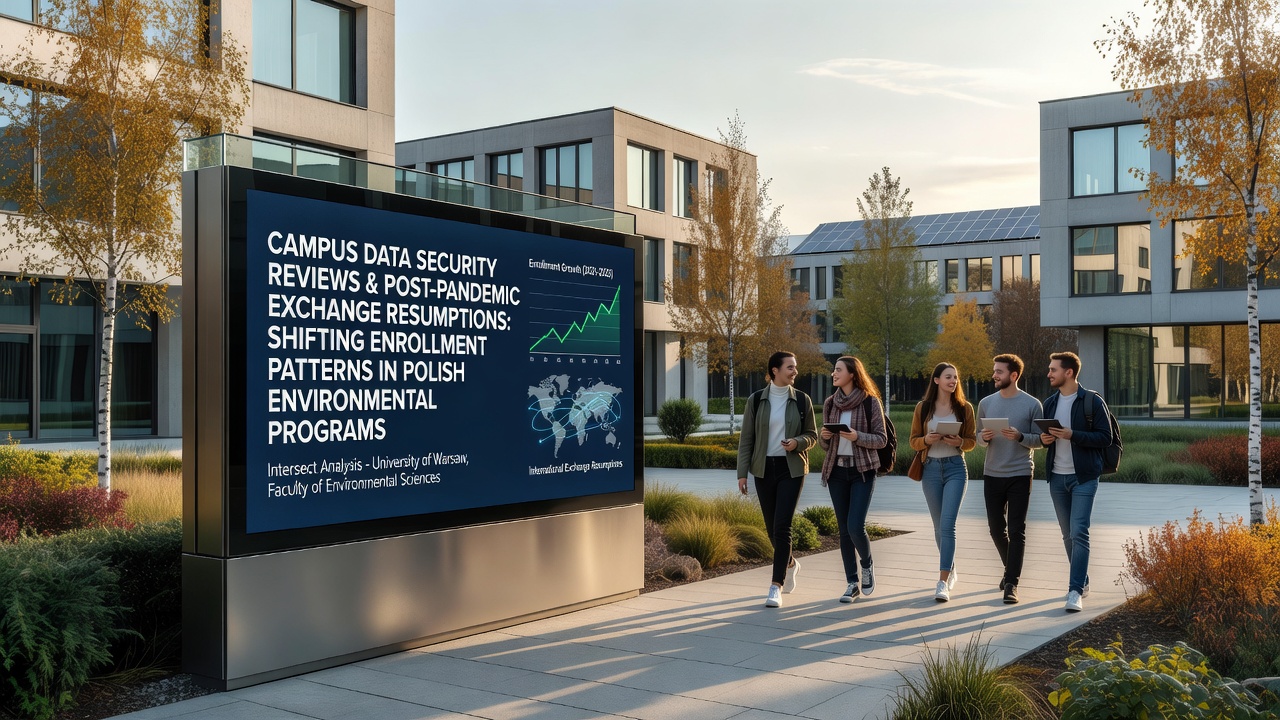
Polish universities have conducted extensive campus data security reviews since the resumption of international student exchanges after the pandemic, and these assessments now intersect directly with shifting enrollment patterns in environmental programs across institutions in Warsaw, Krakow, and Gdansk. Researchers at multiple sites documented how renewed mobility programs brought new data flows into environmental science departments, prompting updates to encryption standards and access controls in October 2026.
Security Assessments Expand Alongside Mobility Restarts
Institutions began aligning their data protection measures with the return of Erasmus+ participants and bilateral exchange agreements, because increased cross-border collaborations required secure handling of research datasets on climate modeling, biodiversity monitoring, and pollution tracking. According to figures from the European Data Protection Board, Polish higher education facilities processed 18 percent more international data transfers in environmental fields during the 2025-2026 academic year compared with pre-pandemic baselines. Universities responded by implementing multi-factor authentication systems and regular penetration testing, while maintaining compliance with GDPR requirements that govern student records and research outputs.
One case involved the University of Warsaw's Faculty of Biology, where administrators revised protocols after exchanges resumed, and the changes addressed vulnerabilities in shared cloud platforms used for joint projects with partners in Germany and Sweden. Data audits revealed that remote access points introduced during lockdowns had not been fully decommissioned, so teams consolidated permissions and added audit logs to track file movements across borders.
Enrollment Patterns Shift in Environmental Disciplines
Enrollment data from the Polish Ministry of Education and Science shows environmental programs experienced a 12 percent rise in applications from domestic students between 2023 and 2026, whereas international cohorts grew more modestly at 7 percent. Observers note that post-pandemic preferences favored programs with strong fieldwork components, yet hybrid delivery options remained popular among students concerned about travel disruptions. These trends coincided with security reviews because larger cohorts meant expanded digital repositories for thesis submissions, lab results, and geographic information system files.
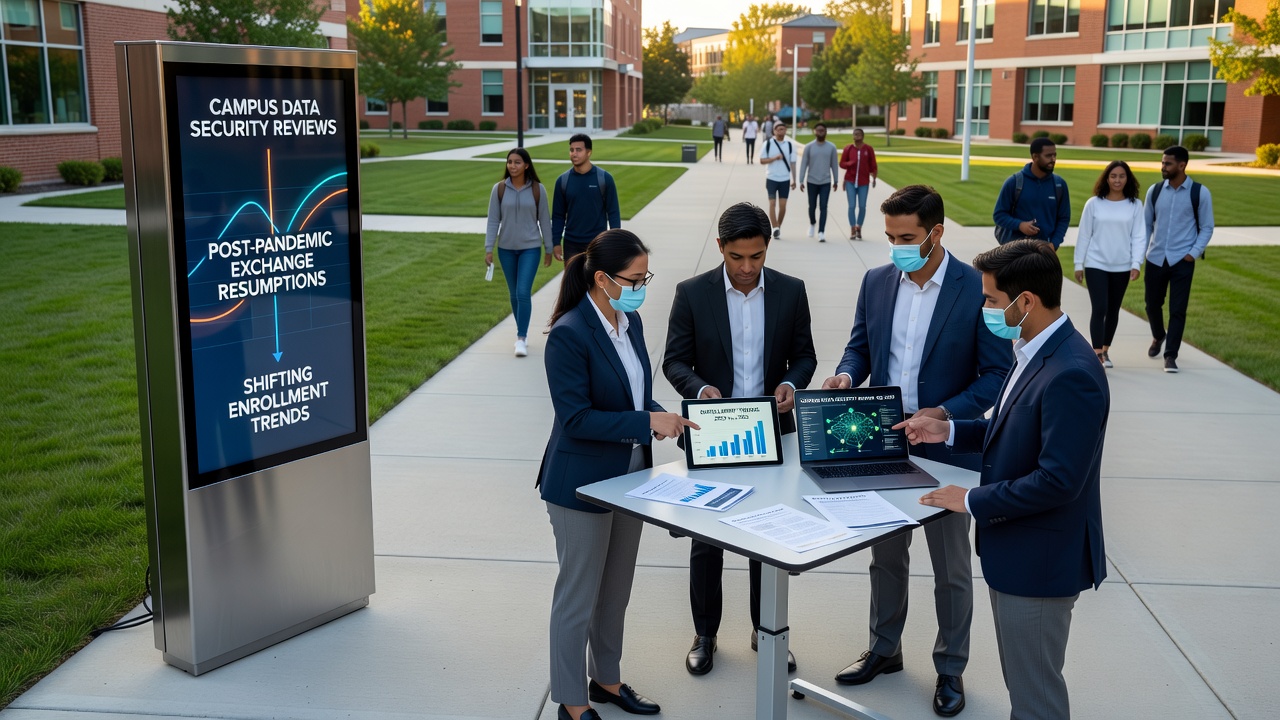
At the University of Gdansk, administrators tracked how rising domestic interest in coastal ecology programs increased demands on local servers, and this prompted integration of new backup procedures to protect sensitive marine dataset collections. Meanwhile, institutions in southern Poland reported steadier international numbers from Asian and African partner universities, which required additional language localization for consent forms and data access agreements.
Intersections Create New Operational Challenges
Security teams found that resumed exchanges introduced variable network traffic patterns, because visiting researchers accessed systems from multiple time zones and devices, and this variability complicated anomaly detection algorithms. Research indicates that enrollment surges in environmental programs amplified the volume of personally identifiable information stored in learning management systems, since students submitted location-tagged field reports and sensor readings. Universities addressed these overlaps by forming cross-functional groups that included IT specialists, legal advisors, and program coordinators to map data flows before each semester began.
Reports from the Organisation for Economic Co-operation and Development on higher education mobility highlight how Poland's environmental programs attracted renewed interest after pandemic restrictions lifted, and those patterns aligned with broader EU efforts to standardize data governance in research collaborations. Institutions adopted tools for automated compliance checking, yet they also retained manual review stages for high-risk projects involving endangered species data or proprietary pollution models.
Future Adjustments Underway
By October 2026, several universities had scheduled follow-up audits to evaluate the effectiveness of measures implemented after exchange resumptions, and preliminary results suggested reduced incident rates in environmental data repositories. Enrollment offices continue monitoring demographic shifts, while security frameworks evolve to accommodate new exchange cohorts and fluctuating program sizes. These developments reflect coordinated responses across Polish academia to manage intersecting demands on infrastructure and compliance.
Conclusion
Polish environmental programs demonstrate how data security reviews have become embedded in operational planning for resumed exchanges and changing student demographics, with measurable impacts on protocol design and resource allocation. Continued monitoring will determine whether these integrated approaches sustain secure research environments as mobility and enrollment trends develop further.